

Why Carton Opening Performance Matters More Than It Seems
When designing a folding carton, attention usually goes to appearance, material strength, printing quality, and product protection. The way a carton opens may receive much less consideration. Yet opening performance can have a surprisingly strong effect on manufacturing efficiency, customer experience, and overall packaging quality. A carton that opens smoothly and predictably is easier to assemble, easier to use, and less likely to create frustration or damage. The opening process actually begins during manufacturing. Folding cartons need to be scored and folded accurately so that their panels move into the intended position without excessive resistance. If the carton is too stiff or the score lines are poorly designed, workers or automated equipment may struggle to open it properly. This can slow down packing operations and increase the likelihood of damaged cartons.
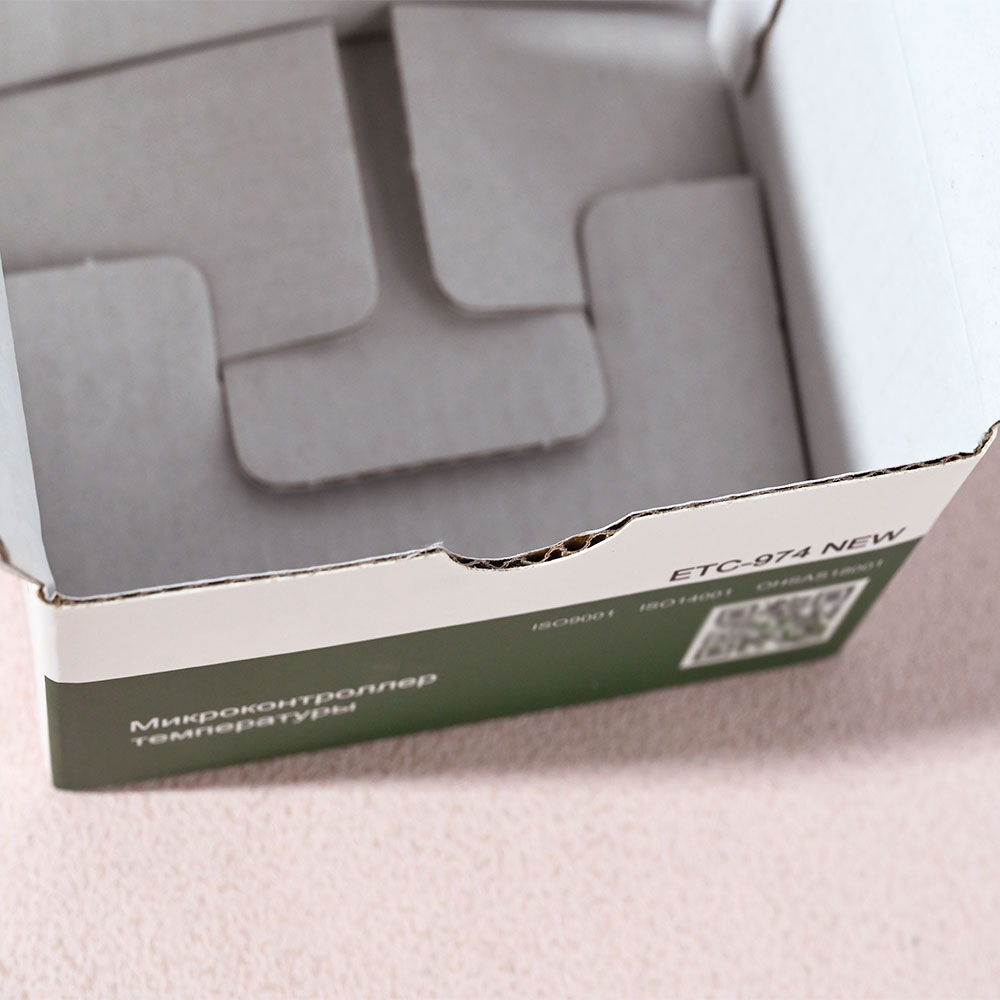
Structural design has a direct influence on opening behavior. Tuck-end cartons, auto-lock cartons, sleeve structures, and more specialized designs each have different opening requirements. The placement of tabs, folds, panels, and locking points determines how easily the package can be opened and assembled. A structure that requires unnecessary force may be technically functional but inefficient in everyday use. Material selection is equally important. Paperboard needs enough stiffness to protect the product and maintain its shape, but excessive rigidity can make opening difficult. Conversely, material that is too flexible may cause the carton to collapse or lose its intended shape. The right balance allows the package to open cleanly while maintaining structural stability.
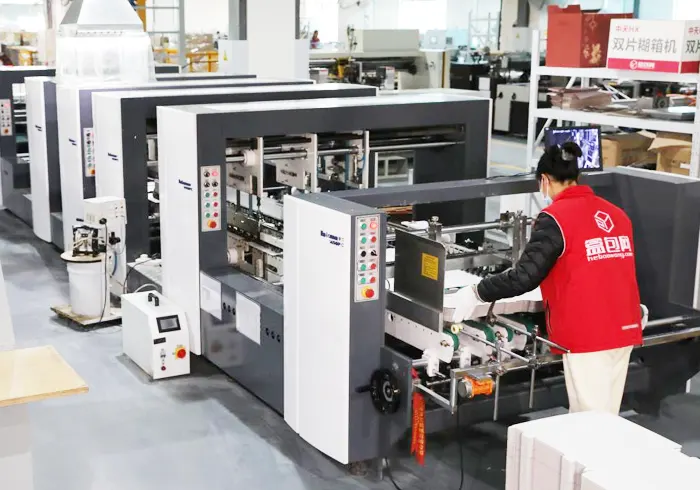
Scoring quality is another major factor. Properly positioned score lines create predictable folding points and make the carton easier to open. Inconsistent or excessively shallow scores can cause panels to resist movement, while overly aggressive scoring may weaken the structure. Scoring specifications therefore need to be matched to the selected board and carton design. Opening performance becomes particularly important on automated packing lines. Machines depend on cartons opening consistently at high speed. If some cartons open easily while others resist, equipment may experience misfeeds, jams, or incomplete forming. Even a small variation can become a significant production problem when thousands of cartons are processed per hour.
Manual packing operations can experience similar issues. Workers may need to spend additional time forcing cartons open, adjusting panels, or correcting partially formed boxes. Over a large production run, these small delays can translate into substantial labor costs. Packaging designed for smooth opening helps maintain a more consistent packing rhythm. For consumers, opening performance is part of the product experience. Customers generally expect packaging to open without excessive force, confusing steps, or accidental tearing. A carton that is difficult to open can create frustration, particularly for products intended for frequent use. Simple and intuitive opening mechanisms can therefore contribute to customer satisfaction.
The opening process also needs to protect the package's appearance. Excessive force can cause creases, torn tabs, cracked printed surfaces, or distorted panels. This is especially important for premium packaging, where customers may associate damaged or poorly opened cartons with lower product quality. At the same time, easy opening should not mean weak closure. Packaging needs to remain securely closed during storage and transportation. The challenge is to create a structure that provides sufficient closure strength while still allowing the intended user to open it without unnecessary effort. This balance is particularly important for products that may be handled repeatedly after purchase.
Prototype testing is one of the best ways to evaluate opening performance. A physical sample can be opened and closed repeatedly to assess resistance, locking behavior, panel movement, and surface durability. Testing can also be performed on actual packing equipment to determine whether the carton opens consistently at production speed. Ultimately, carton opening performance is a small design detail with consequences across the entire packaging lifecycle. It affects manufacturing, packing efficiency, product presentation, customer convenience, and even brand perception. By considering opening behavior during structural design and testing rather than treating it as an afterthought, packaging manufacturers can create cartons that are easier to produce, easier to use, and more reliable in real-world applications.