

How Packaging Manufacturers Prepare a Carton Design for Repeat Production
When a carton design has already been approved and produced successfully, customers often expect the next order to follow the same process without complications. The artwork is ready, the dimensions have been confirmed, and the packaging has already passed its initial checks. However, repeat production still requires careful preparation. Materials may change, tooling may wear, and small differences in production conditions can affect the final cartons. Packaging manufacturers need to review these details before starting a new batch. The first step is usually to check the previous order records. These records help the production team confirm the paperboard grade, sheet dimensions, printing specifications, die-cutting requirements, finishing processes, and delivery quantity. Having complete information reduces the risk of relying on assumptions or repeating mistakes from an earlier production run. It also makes it easier to identify the original settings that produced satisfactory results.
Artwork verification is equally important. Even when customers request an exact repeat, the manufacturer should confirm that the approved file is being used. Brands may update barcodes, product descriptions, ingredient lists, or contact information between orders without changing the overall design. Comparing the latest order instructions with the stored production artwork helps prevent outdated files from entering production and avoids costly corrections after printing has begun. Material selection deserves another review before the machines are prepared. Paperboard from different batches or suppliers may vary in thickness, stiffness, surface texture, and moisture content. These differences can influence ink appearance, cutting accuracy, folding performance, and carton strength. If the original material is unavailable, the manufacturer should evaluate a suitable alternative rather than assuming that a similar-looking board will behave in exactly the same way.
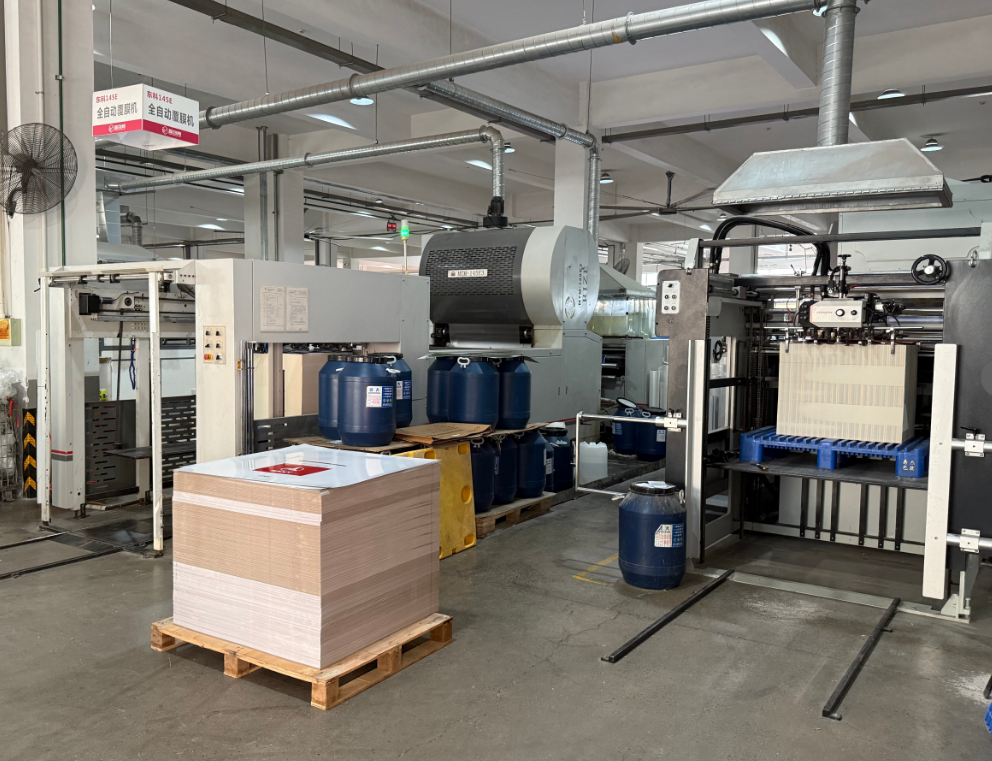
Color consistency is often a major concern for repeat packaging orders. A familiar brand color may appear slightly different because of variations in paperboard, ink characteristics, or printing conditions. To reduce these differences, production teams can refer to approved samples, color standards, ink formulations, and previous printing records. These references provide a more reliable starting point than judging the new batch from memory or relying only on an image displayed on a computer screen. The cutting die should also be checked before production. If the original die is still available, using it can help maintain the carton’s established shape and dimensions. However, cutting rules and creasing components can wear after repeated use, potentially causing incomplete cuts, rough edges, or inconsistent folds. Inspecting the tooling before the new run allows maintenance to be completed early and reduces the likelihood of discovering problems after a large number of sheets have been processed.
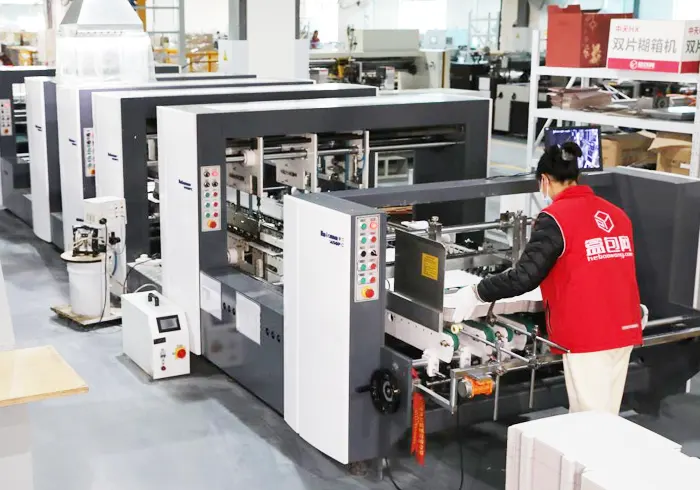
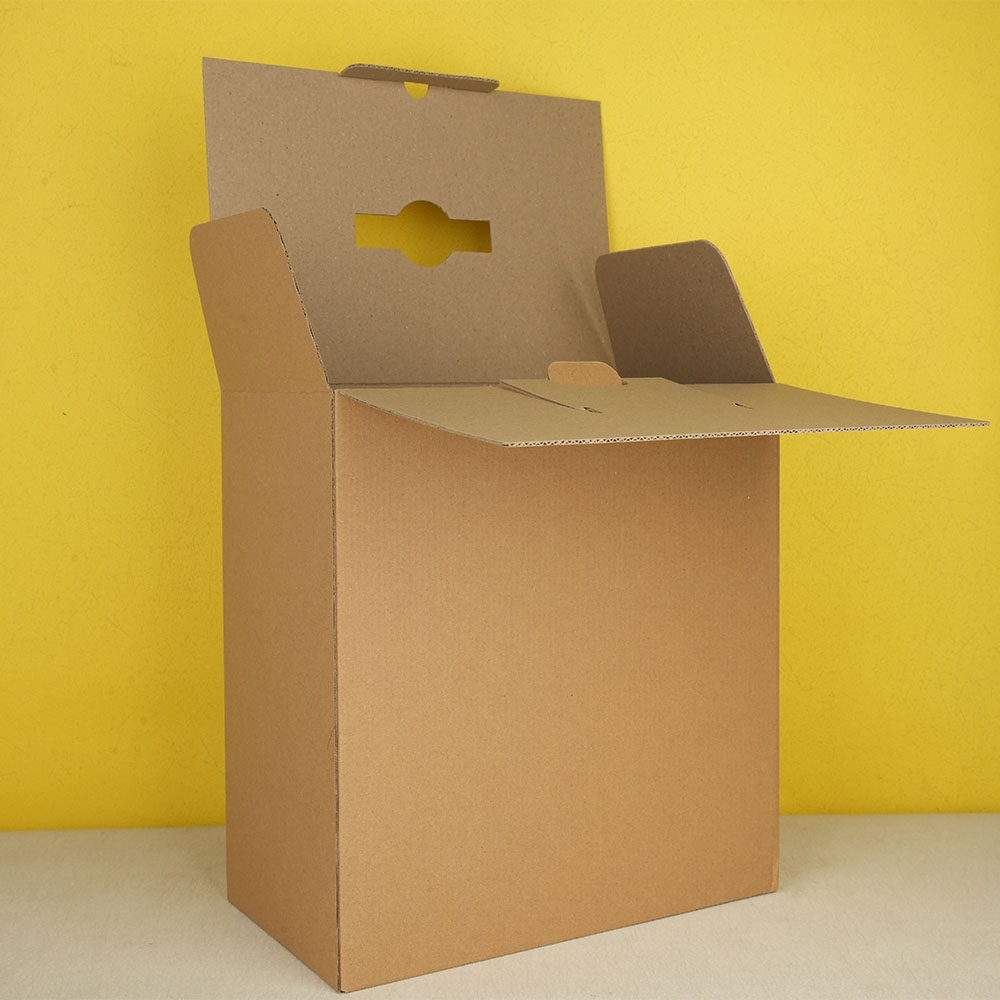
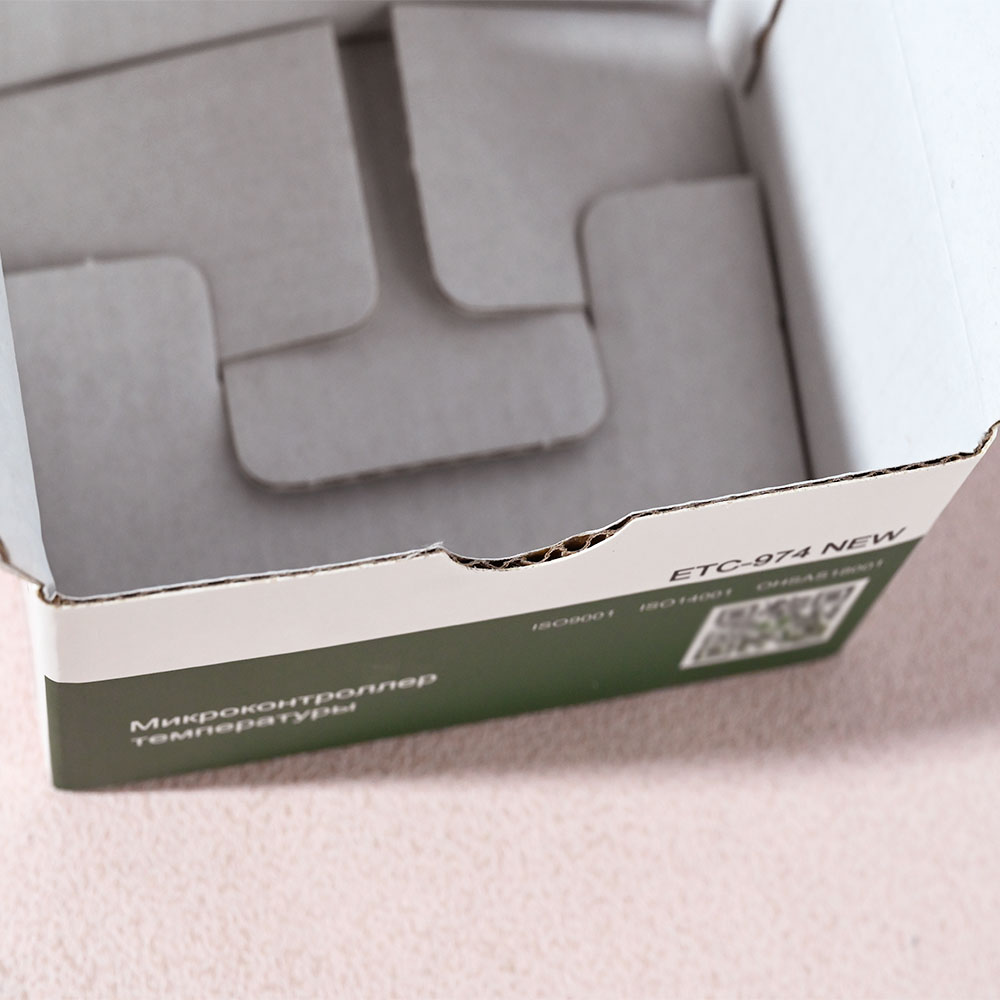
Carton assembly is another area that should not be overlooked. A design that worked well previously may need to be reassessed if the customer has changed the product, filling equipment, or packing method. The manufacturer should confirm that the carton can still be folded, filled, and closed as intended. For closely fitted packaging, small dimensional variations may affect product insertion or flap alignment, even when the printed design appears unchanged. Before proceeding with the full quantity, producing and checking samples can help confirm that the main requirements remain consistent. The team can examine print positioning, color appearance, cutting lines, crease locations, glue areas, and finished dimensions. Where necessary, a sample carton can be assembled around the actual product to check its fit and closure. This practical step can reveal issues that may not be obvious when inspecting a flat sheet alone.
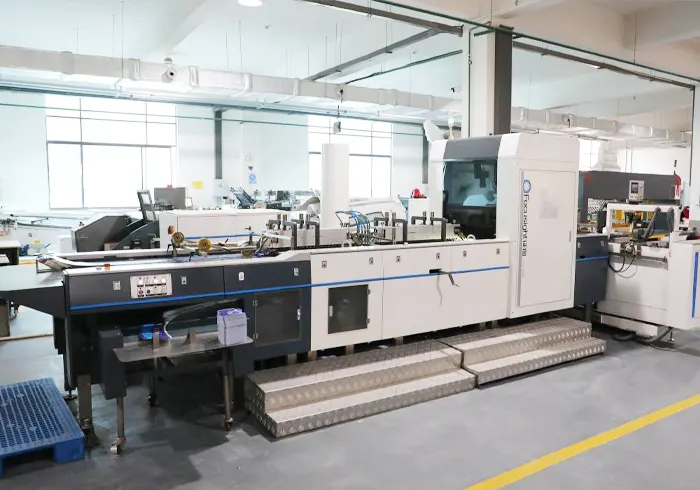
Production planning also affects the success of a repeat order. The manufacturer needs to confirm the quantity, delivery deadline, machine availability, sheet layout, and finishing sequence. A previous production arrangement may still be suitable, but changes in order volume or carton specifications could affect material utilization and setup requirements. Reviewing these details helps the production team allocate resources efficiently without compromising the quality of the finished packaging. Communication between the customer and manufacturer helps prevent unnecessary delays. Before work begins, both sides should confirm whether the order is an exact repeat or includes changes to the artwork, paperboard, dimensions, coating, or other specifications. Even a seemingly minor revision can affect the printing file, cutting die, or production schedule. Clear confirmation at the beginning makes it easier to determine whether new samples or approvals are necessary.
Quality inspection must continue throughout the production run. Checking only the first few cartons cannot guarantee that every subsequent piece will remain consistent. Printing alignment, cutting accuracy, folding performance, and gluing quality should be monitored at appropriate stages. Comparing finished cartons with approved samples and documented specifications helps identify variations early, reducing material waste and limiting the number of defective packages that reach the customer. Finally, maintaining organized production records makes future repeat orders easier to manage. Approved artwork, material specifications, retained samples, tooling information, inspection results, and production notes provide a useful reference for the next order. If the customer later requests a design change, the manufacturer can identify which elements need revision and which should remain unchanged. This continuity is particularly valuable for brands that order the same packaging regularly across multiple product lines.
Preparing a carton design for repeat production is about more than reproducing an existing file. It requires the manufacturer to preserve proven specifications while checking for changes that could affect performance or appearance. Through careful material verification, tooling maintenance, sample inspection, and communication, packaging manufacturers can help customers achieve more predictable results from one order to the next. For Wuxi Box Printing Technology Co., Ltd., this approach supports consistent folding cartons and other printed packaging while helping customers manage quality, production schedules, and repeat-order requirements more confidently.