

How Packaging Manufacturers Prepare a Carton Design for Repeat Production
When a carton design has already been approved and produced successfully, it may seem that the next order should be straightforward. The artwork is ready, the dimensions are known, and the packaging structure has been tested. However, repeating an order is not simply a matter of sending the same files back to the production floor. Packaging manufacturers need to confirm that the original specifications remain suitable and that the new batch can achieve a consistent result. One of the first steps is to review the previous production records. These records may include the paperboard grade, sheet dimensions, printing settings, color references, die-cutting specifications, folding requirements, and adhesive details. Keeping this information organized helps the production team understand exactly how the original cartons were manufactured. It also reduces the risk of relying on assumptions or incomplete instructions when a repeat order arrives months later.
Artwork management is another important part of the process. Even when a customer requests no design changes, the manufacturer should confirm that the correct artwork version is being used. Brands sometimes update contact details, barcodes, ingredient information, or small graphic elements without changing the overall appearance of the package. Comparing the new order information with the approved production file helps prevent outdated artwork from entering production. Material selection also requires attention. The paperboard used for a previous batch may not always be available from the same source or in exactly the same specification. Differences in thickness, stiffness, surface finish, or moisture content can affect printing, folding, and carton strength. Before production begins, the manufacturer should check whether the selected material matches the approved requirements and assess any necessary adjustments if an alternative grade must be used.
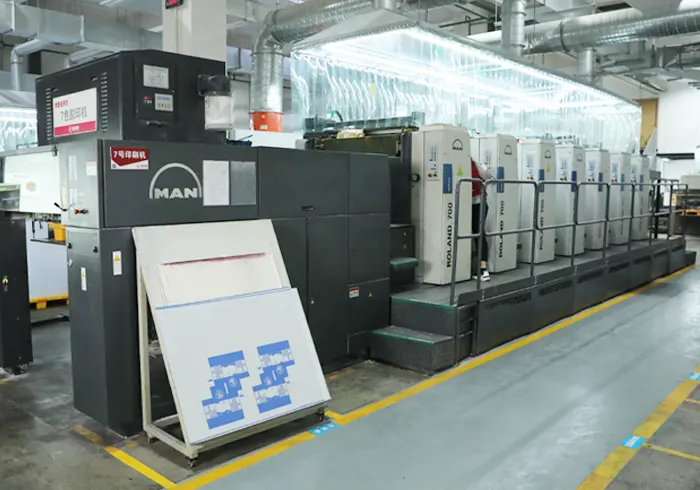
Color consistency is particularly important for brands that depend on recognizable packaging. A repeat order should follow the established color references rather than relying only on memories of the previous batch. Production teams may review retained samples, approved proofs, ink formulations, and printing records to guide the new run. Paperboard surface characteristics, ink behavior, and production conditions can all influence the final appearance, so color control remains necessary even when the artwork is unchanged. The original die-cutting tool is another item that needs verification. If the same cutting die is available and remains in good condition, it can help maintain the carton’s dimensions and folding structure. However, repeated use can gradually affect cutting edges, creasing rules, or other working components. Inspecting the die before production helps identify wear that could cause rough edges, incomplete cuts, or inconsistent folds. If repairs or replacement parts are needed, they should be addressed before the full batch is processed.
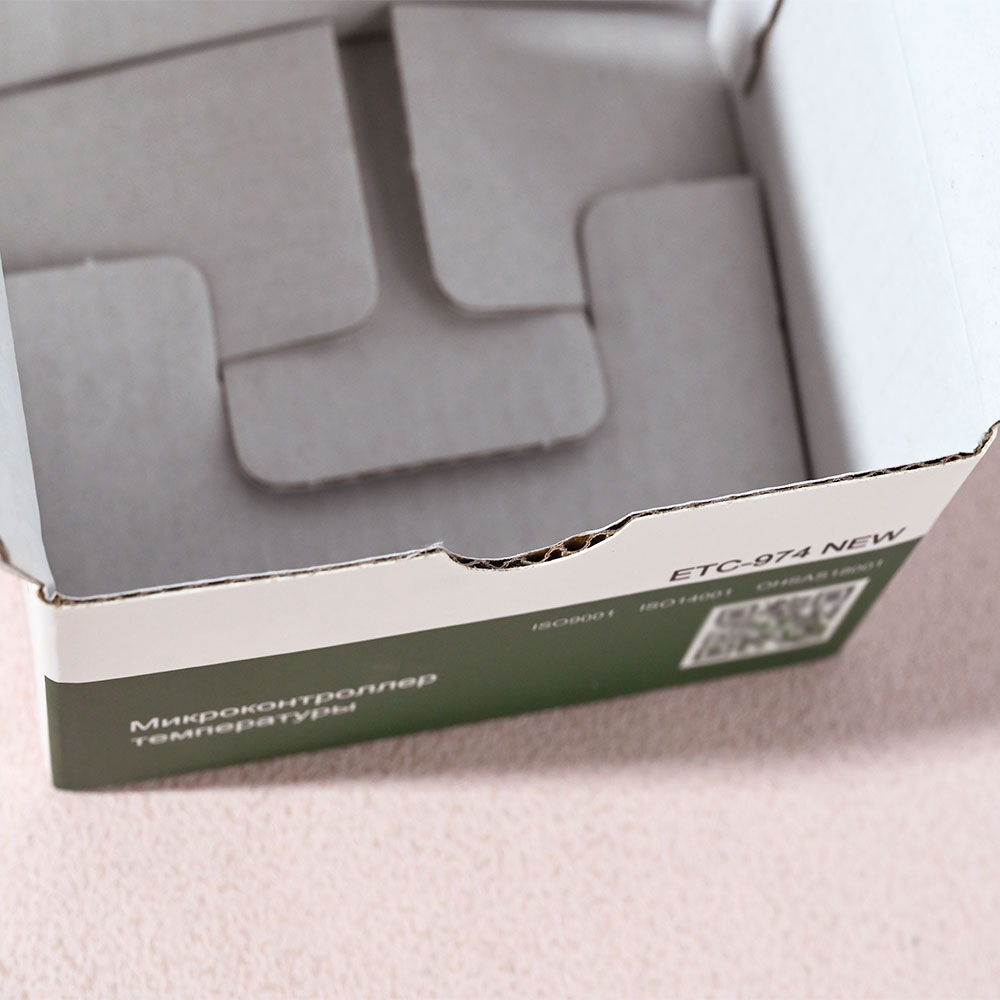
Packaging manufacturers also review the carton’s assembly performance. A design that worked well during an earlier order may encounter different conditions when used with a new filling machine, packing method, or product batch. The team should confirm that the carton still opens, folds, closes, and holds its shape as expected. For packaging that fits closely around a product, even small dimensional differences may affect insertion or closure, making practical checks worthwhile. Before mass production, a sample or initial production sheet can help confirm that the main specifications are still aligned. This check may cover print positioning, color appearance, cutting accuracy, crease locations, glue areas, and overall dimensions. When the order involves a large quantity or a critical packaging application, checking a finished carton with the actual product can reveal issues that are difficult to identify from a flat printed sheet alone.
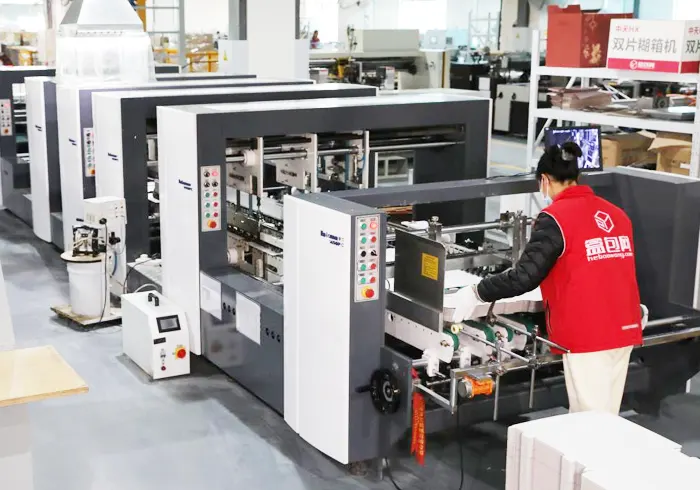
Production planning also influences repeat-order consistency. Manufacturers need to confirm the required quantity, delivery schedule, sheet layout, machine availability, and finishing sequence. If the previous order used a particular layout to reduce material waste, the team can review whether that arrangement remains suitable. A small change in the order quantity or carton dimensions may affect sheet utilization, setup time, or the number of production runs required. Clear communication with the customer helps prevent unnecessary revisions. Before starting work, the manufacturer should confirm whether the order is an exact repeat or includes changes to artwork, materials, dimensions, finishing, or delivery requirements. Customers may assume that a minor adjustment will not affect production, while the manufacturer may recognize that it requires a revised proof or a new cutting tool. Confirming these details early helps both sides avoid delays and unexpected costs.
Quality inspection should continue throughout the repeat production run rather than being limited to the first few cartons. Printing, die-cutting, folding, and gluing can vary as production progresses. Routine checks help identify developing problems before they affect a large quantity of packaging. Comparing finished cartons with approved samples and documented specifications also provides a more reliable basis for acceptance than judging each batch independently. Finally, manufacturers benefit from maintaining a complete record of every approved repeat order. Retained samples, artwork files, material specifications, inspection results, and production notes create a useful reference for future orders. If a customer requests a change later, the team can identify which details must remain unchanged and which can be revised. This record also helps new production staff understand the packaging requirements without having to reconstruct the entire process from the beginning.
Preparing a carton design for repeat production is ultimately about preserving what already works while checking for changes that could affect the result. Careful file management, material verification, tool inspection, sample approval, and ongoing quality control help packaging manufacturers deliver consistent cartons from one order to the next. For customers, this means fewer avoidable surprises, more predictable production schedules, and packaging that continues to support their products and brand identity.