

What Causes Glue to Appear on the Outside of a Folding Carton?
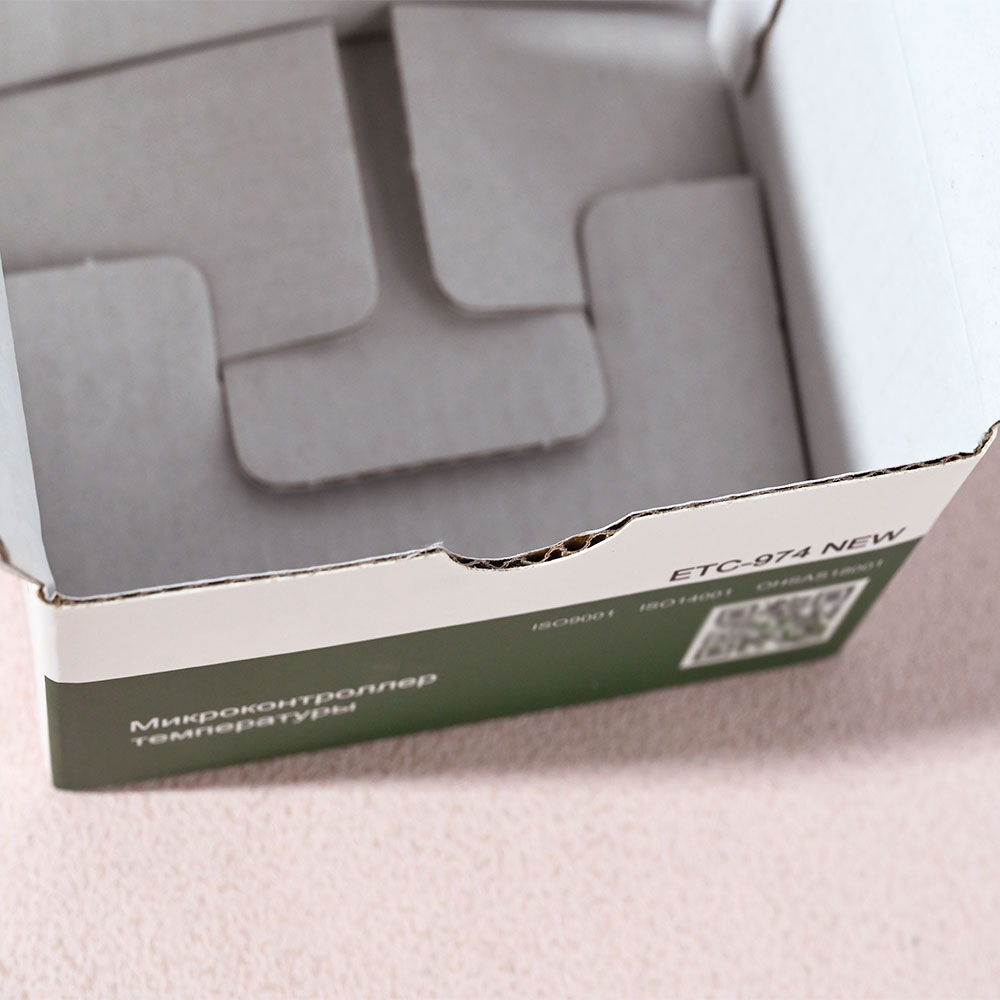
Glue marks on the outside of a folding carton can turn an otherwise well-printed package into a product that looks poorly finished. The problem may appear as a shiny spot, a thin adhesive line, a sticky patch, or a visible stain near a glued seam. Although it may seem like a minor finishing defect, glue appearing in the wrong place can affect the carton’s appearance, surface quality, and suitability for retail display. Understanding why it happens helps packaging manufacturers identify the source instead of simply adjusting the amount of adhesive. One common cause is applying too much glue during the folding and gluing process. Adhesive needs to be sufficient to create a reliable bond, but excessive application can cause it to spread beyond the intended bonding area. When the carton panels are pressed together, the extra glue may squeeze out along the seam and become visible on the exterior. The correct amount depends on the adhesive type, carton structure, paperboard surface, and production conditions.
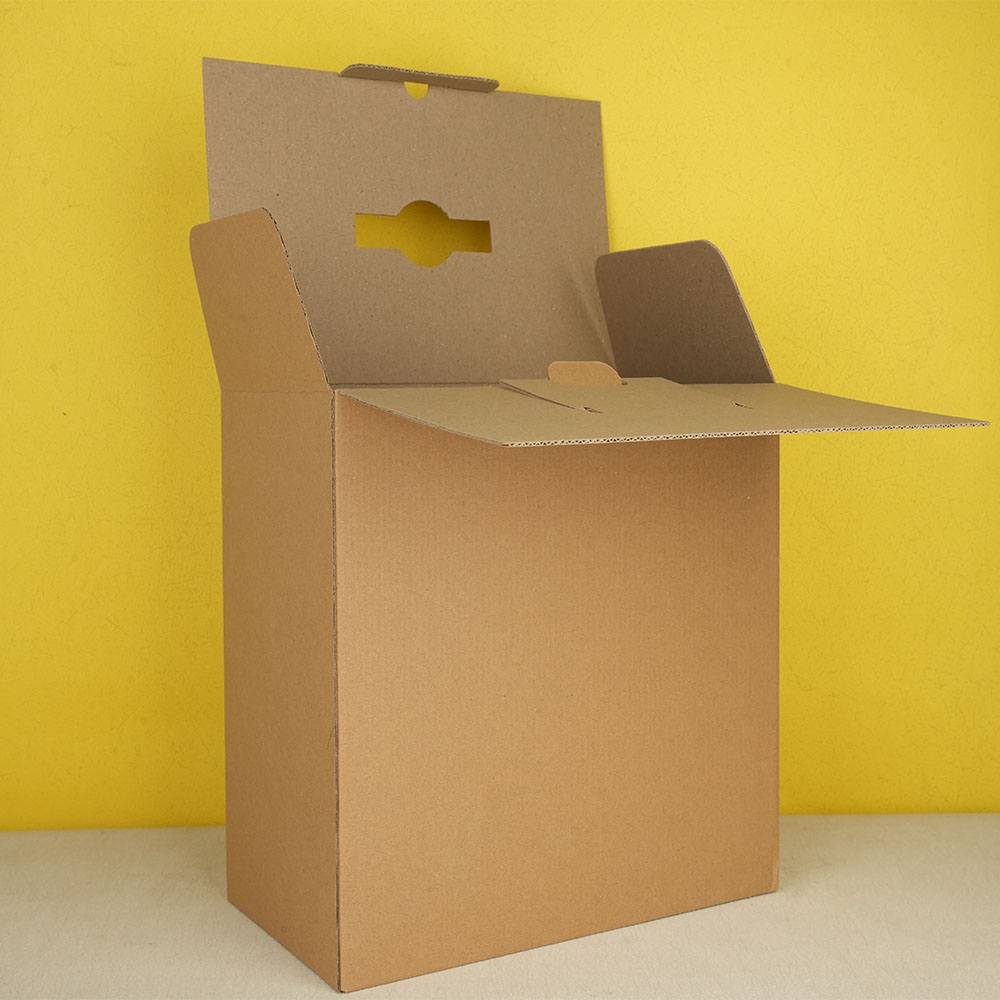
The position of the glue line is equally important. If the adhesive is applied too close to the edge of a glue flap, even a normal amount can spread onto an adjacent panel during folding. This is more likely when the glue flap is narrow or the carton has a complicated structure. Accurate glue-line positioning helps keep the adhesive within the designated area while maintaining enough contact for a strong bond. Incorrect carton folding can also contribute to the problem. If panels do not meet in their intended positions, the glue flap may shift during assembly. Adhesive that should remain hidden inside the carton can then appear along an outer edge. Checking the folding sequence and the alignment of the carton blanks can help determine whether the issue originates in the folding equipment or the structural design.
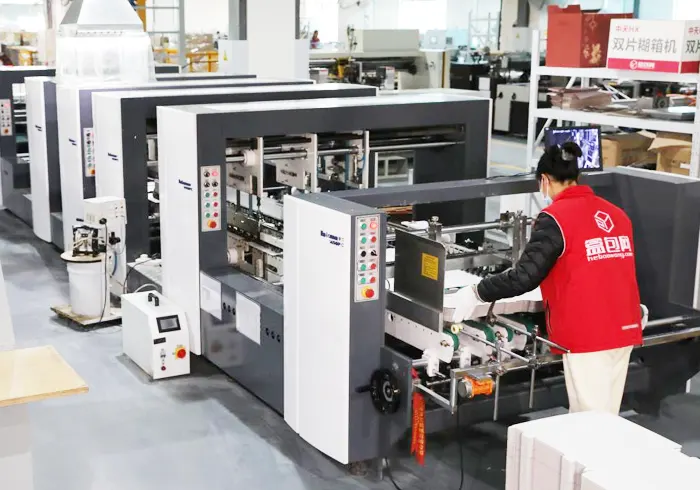
The condition of the gluing equipment deserves attention as well. Nozzles, glue wheels, applicators, and other adhesive-delivery components can become dirty, worn, or partially blocked. These conditions may cause uneven application, dripping, or unwanted adhesive deposits. Regular cleaning and maintenance help keep glue delivery consistent throughout a production run. Adhesive viscosity can influence how the glue behaves after application. If the adhesive is too fluid for the operating conditions, it may spread farther than expected before the carton panels come together. If it is too thick, the application may become uneven or require adjustments that affect the amount deposited. Manufacturers should use an adhesive suitable for the paperboard and production process, following the supplier’s recommendations for preparation and use.
Paperboard surface characteristics can also affect adhesive behavior. Coatings, printed surfaces, and finishing treatments may influence how the adhesive spreads and bonds. If the glue is applied to a surface that is not suitable for the selected adhesive, the bond may be inconsistent, encouraging operators to apply more glue than necessary. Selecting compatible materials and adhesives can help prevent this kind of adjustment from creating exterior marks. Machine speed and timing are additional factors. The adhesive must be applied and the carton panels brought together within a suitable working interval. If the process is not properly synchronized, glue may spread differently or contact areas may shift before bonding is complete. A stable production setup helps ensure that the adhesive reaches the intended location and that the panels close correctly.
Carton design can sometimes make glue control more difficult. Narrow glue flaps, tight corners, overlapping panels, and complex folding structures leave less room for adhesive application. If the design does not provide enough space for a reliable glue line, even a well-adjusted machine may struggle to maintain a clean exterior. Reviewing the glue-flap dimensions during structural design can help avoid this issue before production begins. Another possible cause is excessive pressure when the glued panels are brought together. Pressing is necessary to establish proper contact, but unsuitable pressure can force adhesive out from between the surfaces. The correct balance depends on the adhesive, material, and carton construction. Manufacturers need to confirm that the bonding pressure is sufficient without causing unnecessary squeeze-out.
Glue marks can also result from contamination during production. Adhesive may accumulate on guide rails, belts, rollers, or machine surfaces and then transfer to cartons as they pass through the equipment. In these cases, the glue may appear in locations unrelated to the intended seam. Cleaning the affected components and tracing where the marks first appear can help distinguish equipment contamination from excessive application. When investigating glue marks, packaging manufacturers should inspect cartons at several stages rather than examining only the finished product. Checking the adhesive line before folding, immediately after bonding, and after the carton passes through the remaining equipment can reveal when the problem develops. This makes it easier to identify whether the cause is glue application, folding alignment, pressure, adhesive behavior, or contamination.
Preventing exterior glue marks requires a combination of correct adhesive selection, accurate application, suitable machine settings, clean equipment, and a carton structure designed for reliable bonding. For packaging buyers, it is useful to discuss visible glue requirements with the manufacturer before mass production, especially when the carton uses dark printing, premium finishes, or large unprinted panels where stains are easy to see. A well-controlled gluing process helps keep the exterior clean while ensuring that the carton remains securely assembled.