

How Die-Cutting Pressure Affects the Quality of Folding Cartons
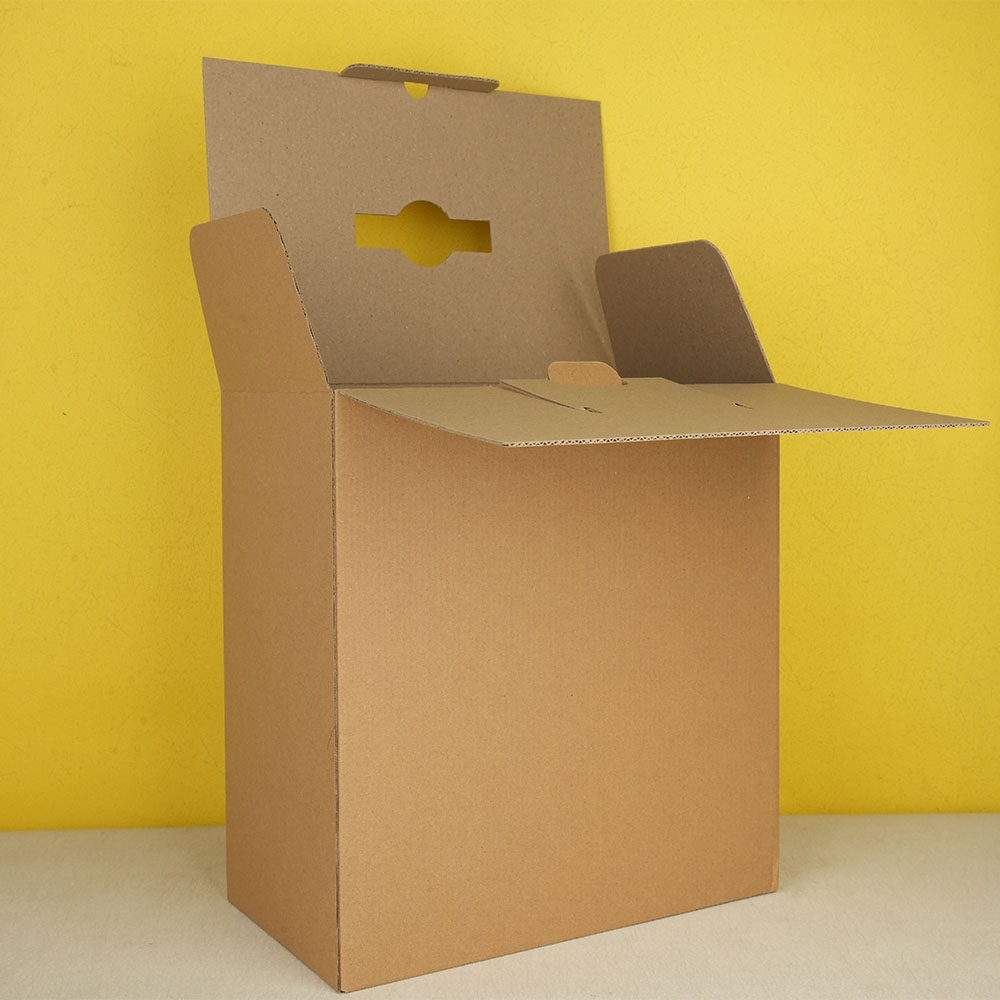
Die-cutting is a critical stage in folding carton production because it determines how accurately a printed paperboard sheet is cut and creased into its final shape. Even when the artwork and printing quality are excellent, incorrect die-cutting pressure can affect the carton’s appearance, assembly, and performance. Finding the right pressure is therefore an important part of maintaining consistent packaging quality, especially when producing large quantities for commercial customers. During die-cutting, the cutting rules and creasing rules apply force to the paperboard against a suitable counterplate or cutting surface. The cutting rules need enough pressure to separate the material cleanly, while the creasing rules must compress the board in a controlled way to create folding lines. Because these two operations serve different purposes, the pressure must be balanced across the entire die. Too much or too little force can create different defects, even within the same carton design.
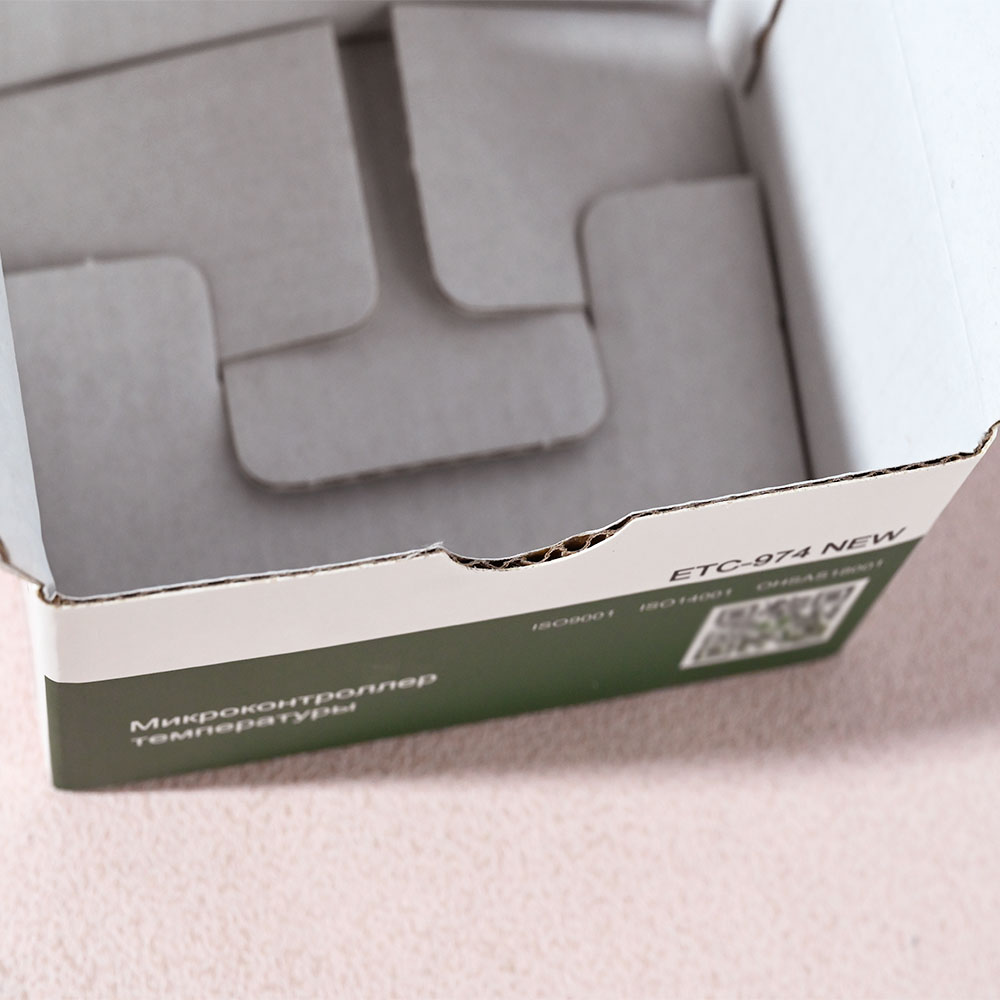
When the pressure is too low, cutting rules may fail to cut completely through the paperboard. Small areas can remain attached, forcing workers to separate the cartons manually or causing problems during stripping. Incomplete cuts can also leave rough edges and interfere with downstream folding or gluing. For packaging manufacturers, these defects may increase waste and slow production because sheets that should move smoothly through the process require additional inspection or correction. Excessive pressure can create a different set of problems. Cutting rules may penetrate too deeply into the supporting surface, accelerating tool wear and potentially affecting cutting consistency. The surrounding paperboard may also show unwanted marks or deformation. In severe cases, excessive force can damage the structure around cut lines, reducing the carton’s ability to maintain a clean and professional appearance after assembly.
Creasing pressure requires particular attention because folding cartons depend on controlled folds rather than random bending. If the pressure is too low, the crease may not be defined clearly enough, making panels difficult to fold into position. Workers may need to apply additional force, and the finished carton may not hold its intended shape. This is especially troublesome for cartons with several panels or a complex folding sequence. If creasing pressure is too high, the paperboard fibers may become excessively compressed or damaged. The surface coating or printed layer can crack along the fold, creating visible white lines on dark-colored packaging. The crease may also become too weak to support repeated handling, depending on the material and the severity of the damage. Proper pressure helps create a fold that is easy to assemble while preserving the appearance and strength of the finished carton.
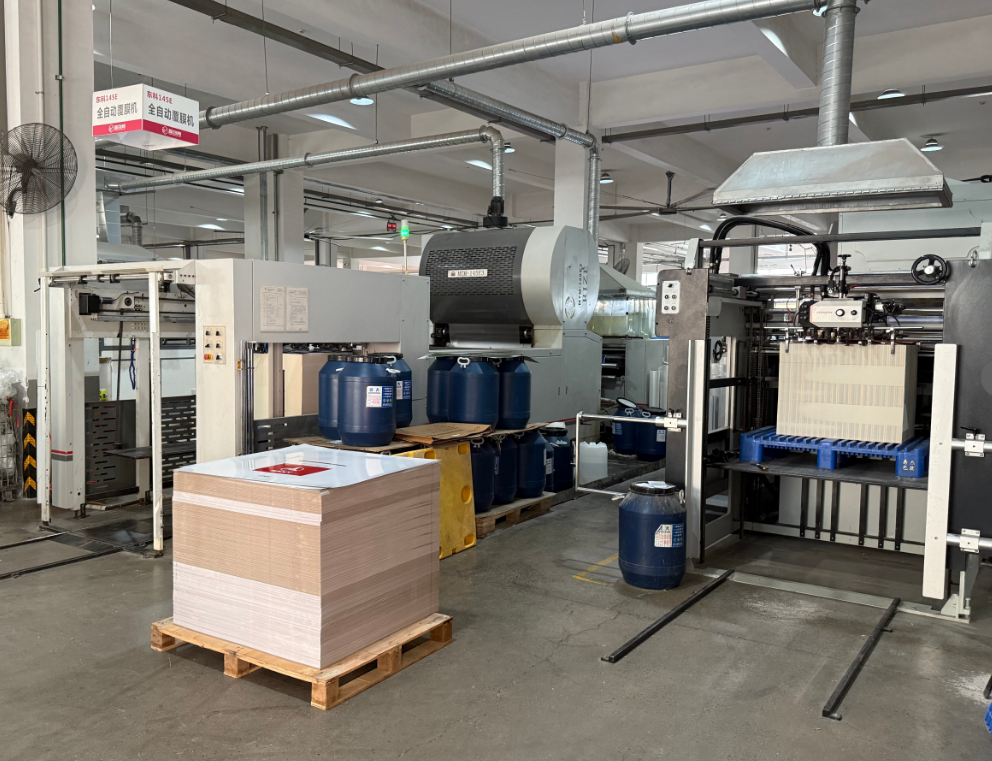
Paperboard thickness and construction influence the pressure required. Different grades can vary in stiffness, fiber composition, coating, and overall compressibility. A setting that works well for one board may not deliver the same result with another. Even materials with similar nominal thicknesses can behave differently during cutting and creasing. Manufacturers should therefore confirm the actual material specification before relying on previously established machine settings. The condition of the die also affects pressure requirements. Cutting rules can become dull through repeated use, while creasing components may wear or shift from their intended positions. Operators might be tempted to compensate for worn tooling by increasing the machine pressure, but this does not necessarily solve the underlying problem. Regular inspection and maintenance help identify whether inconsistent results come from pressure settings, tool condition, or the way the die is installed.
Pressure distribution across the sheet is just as important as the overall setting. If one area of the die receives more force than another, some cartons may cut cleanly while others remain partially attached. Uneven pressure can result from differences in the cutting setup, the condition of the supporting surface, or the alignment of the tooling. Checking multiple positions on the sheet helps manufacturers detect these variations before they affect a full production run. A practical way to control die-cutting pressure is to conduct a trial before proceeding with mass production. The team can inspect cut edges, check whether waste material separates cleanly, and fold sample cartons to evaluate crease performance. Finished samples should also be examined for surface damage, cracking, dimensional accuracy, and ease of assembly. Adjustments can then be made in a controlled manner rather than changing several production variables at once.
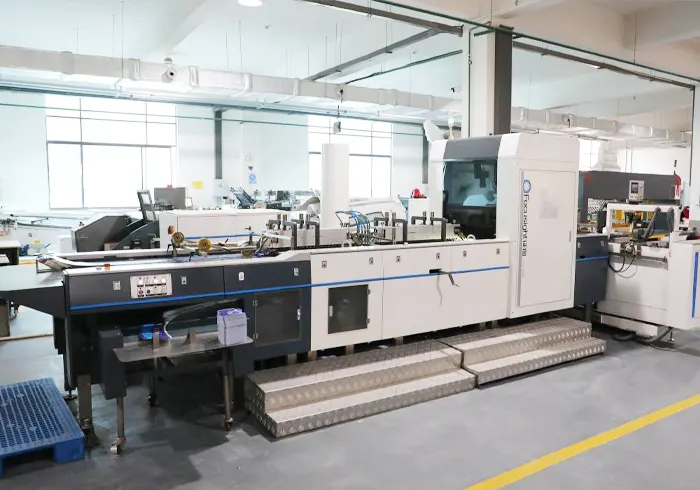
Pressure control also contributes to production efficiency. When the die cuts and creases consistently, fewer sheets need to be rejected, and downstream folding and gluing operations become more predictable. Stable settings can reduce unnecessary machine adjustments and help maintain output quality throughout a long production run. Recording successful settings alongside the paperboard grade and die specifications can also provide a useful reference for future repeat orders. For packaging buyers, die-cutting pressure may not be visible in the finished product specifications, but its effects can be easy to recognize. Clean edges, accurate panel shapes, neat fold lines, and reliable carton assembly all depend partly on this process. At Wuxi Box Printing Technology Co., Ltd., careful control of printing and post-press operations helps support the consistent quality expected from folding cartons. By matching die-cutting pressure to the material, tooling, and carton structure, manufacturers can produce packaging that looks professional and performs reliably during filling, handling, and transportation.