

How Experienced Packaging Manufacturers Identify Problems Hidden in a Dieline
A packaging dieline may look perfectly organized on a computer screen, with every panel, cut line, and fold line carefully positioned. However, a technically complete dieline does not necessarily mean that the carton will perform well in production. Some problems only become apparent when the structure is converted into a physical package. Experienced packaging manufacturers know how to examine a dieline from a production perspective and identify potential issues before materials are printed and mass production begins. One of the first things manufacturers check is the overall structural logic. They examine how each panel connects with the others and how the flat sheet will transform into the finished carton. A design may contain all the necessary panels but still have an awkward folding sequence or insufficient space for certain components. Reviewing the structure before production helps prevent problems that would otherwise appear during assembly.
Panel dimensions are another important area of inspection. Small differences between related panels can affect how the carton closes and whether its edges align correctly. Experienced manufacturers look for dimensions that may cause gaps, overlapping panels, uneven corners, or excessive tension when the carton is assembled. The relationship between cut lines and score lines also requires careful attention. These lines have different functions and need to be positioned accurately. If they are too close together, the board may become weak or difficult to process. If a score is placed incorrectly, the carton may fold in the wrong position. A detailed dieline review can identify these conflicts before tooling is produced.
Manufacturers also consider the paperboard material when reviewing a structure. A dieline cannot be evaluated independently from the board that will be used. Thickness, stiffness, grain direction, and folding characteristics all affect whether a particular design will work. A structure that performs well with lightweight board may not behave the same way with a thicker grade. Another hidden issue involves folding clearance. When multiple panels fold toward one another, they need enough space to move without interfering with adjacent sections. Tight clearances may cause the board to buckle, overlap, or resist folding. These problems can be difficult to notice in a two-dimensional drawing but become obvious during physical assembly.
The gluing areas also deserve careful examination. Glue flaps need sufficient surface area and appropriate positioning for reliable adhesion. If a glue flap is too narrow, incorrectly positioned, or obstructed by another panel, the finished carton may not hold properly. Experienced manufacturers review these areas before the design reaches the gluing machine. Artwork placement can reveal additional problems. Important graphics, text, barcodes, and logos need to remain within suitable print areas and away from cuts, scores, and glue zones. A visually balanced design can become distorted if a logo sits too close to a fold or if small text crosses a score line. Technical dieline review helps protect both the structure and the appearance.
Bleed and trapping requirements are also checked before printing. Artwork that does not extend sufficiently beyond the cutting line can result in unwanted white edges after die-cutting. Similarly, certain color boundaries may require careful preparation to minimize visible registration differences. These details become particularly important when packaging contains large areas of solid color or detailed graphics. Experienced manufacturers also consider how efficiently the dieline can be arranged on a production sheet. A structurally sound carton may still generate excessive material waste if its layout is inefficient. The manufacturer can evaluate different orientations and nesting arrangements to improve sheet utilization without compromising the carton structure.
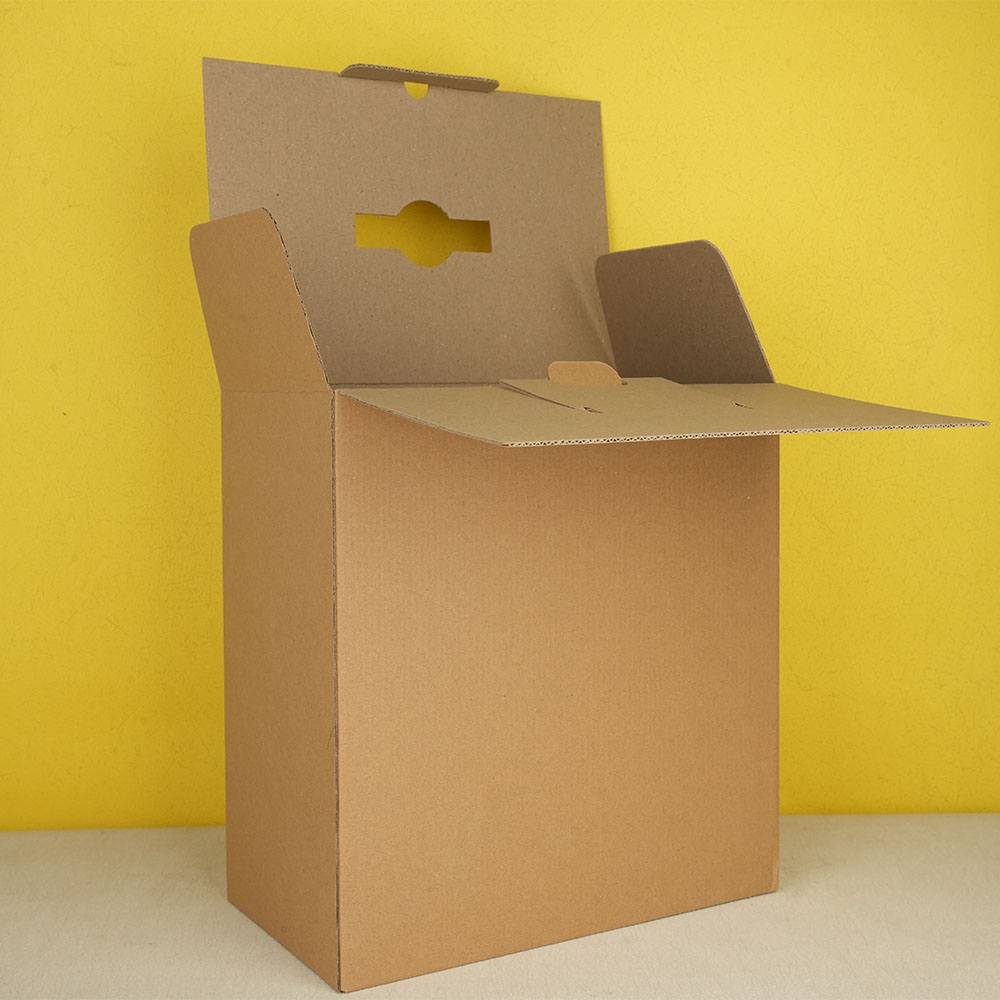
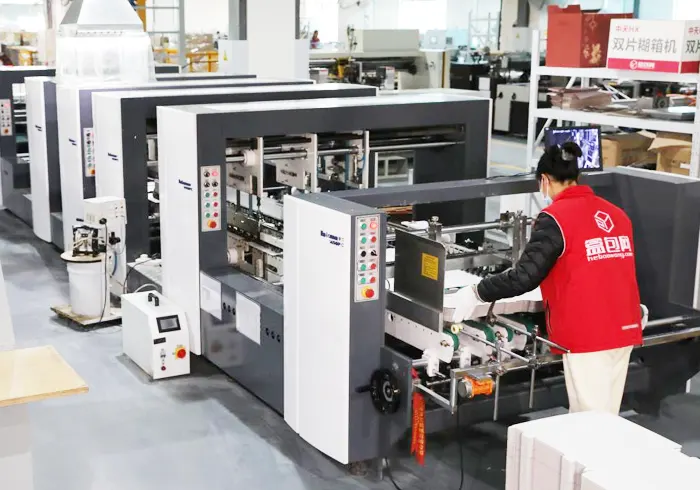
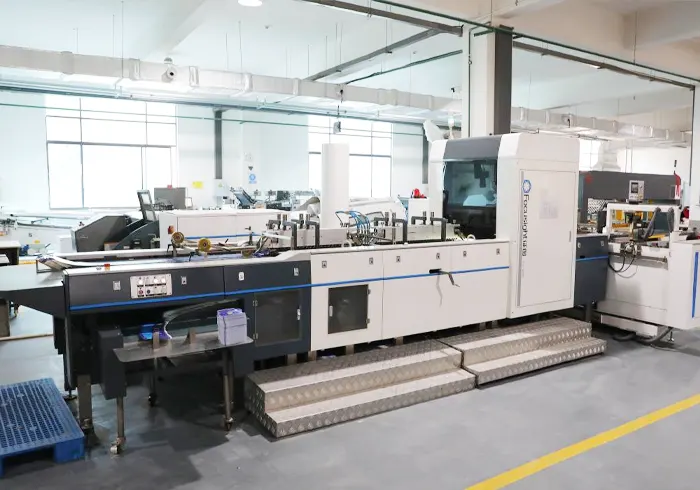
Another important consideration is production equipment compatibility. A dieline should work not only as a theoretical structure but also with the available die-cutting, folding, and gluing equipment. Extremely small tabs, narrow panels, unusual fold sequences, or complicated locking mechanisms may create difficulties on high-speed machinery. Manufacturers with practical production experience can identify these risks before production starts. Physical prototyping remains valuable even after a dieline has passed a technical review. A sample allows the manufacturer and brand owner to examine the actual carton from different angles. Folding resistance, product fit, closure performance, panel alignment, and overall appearance can all be evaluated. If necessary, the dieline can then be adjusted before final tooling and mass production.
Ultimately, a dieline is more than a drawing that tells a machine where to cut and fold. It is the blueprint for the finished packaging structure. Experienced packaging manufacturers examine it from multiple perspectives—including material behavior, folding, gluing, printing, tooling, equipment, and production efficiency—to uncover problems that may not be obvious during the design stage. By involving a knowledgeable packaging manufacturer before the dieline is finalized, brands can reduce unnecessary revisions, avoid tooling mistakes, minimize production waste, and improve the reliability of the finished carton. A careful dieline review may take place before any material is printed, but its impact can continue throughout the entire packaging production process.