

How Cutting Speed Can Influence the Quality of Carton Edges
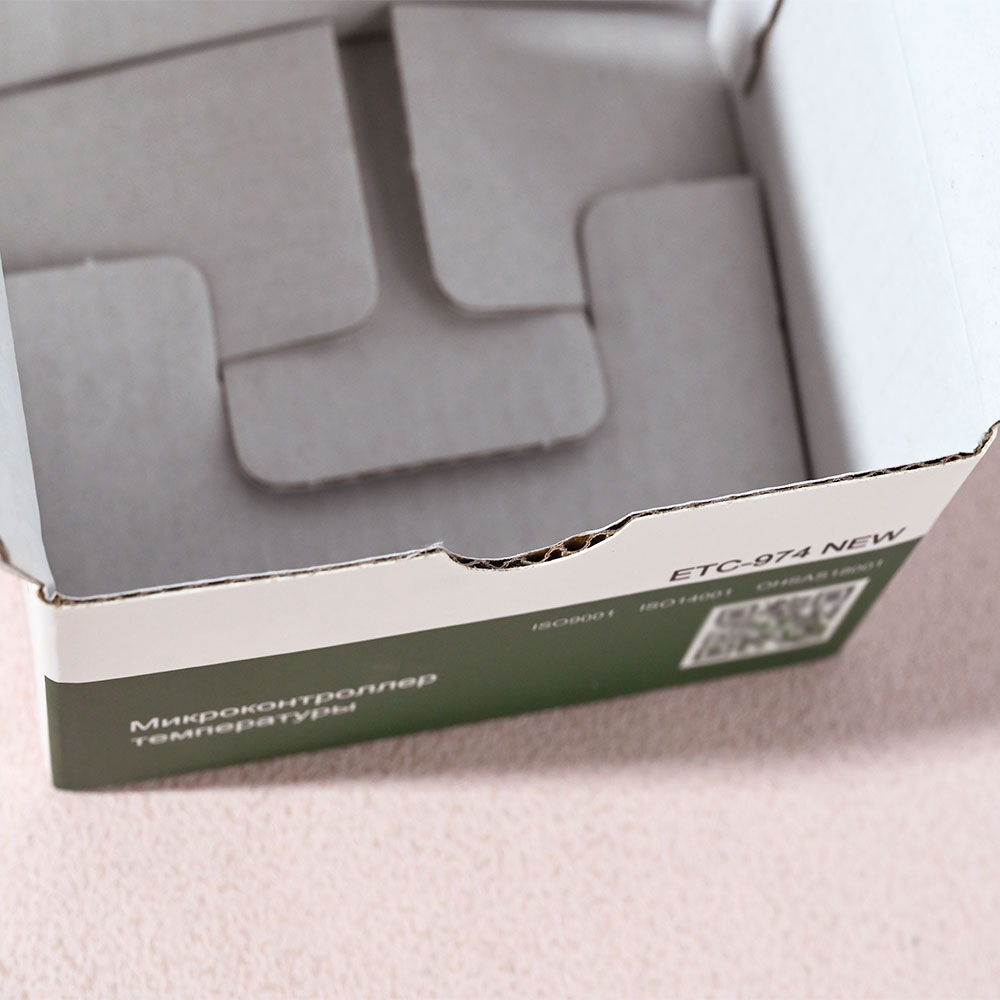
In carton manufacturing, cutting speed is often adjusted to meet production targets, but running a die-cutting machine faster does not always mean getting more usable cartons in less time. The speed of the cutting process can influence how cleanly paperboard separates, how accurately the carton blanks are formed, and how consistently the finished edges appear. Finding the right balance between speed and cutting quality is essential for maintaining a reliable production process. One of the first things affected by cutting speed is the cleanliness of the cut edge. When the cutting process is properly matched to the paperboard and tooling, the blade can separate the material cleanly. If the machine operates under unsuitable conditions, however, some areas may show rough fibers, small tears, or incomplete cuts. These defects can be especially noticeable on cartons with exposed edges or detailed structural shapes.
The condition of the cutting die plays an important role in determining how much speed a job can handle. A sharp, well-maintained die is generally better suited to producing consistent edges over a production run. As cutting blades wear, the process may become less forgiving, particularly at higher operating speeds. Manufacturers need to consider tooling condition before increasing speed to improve output. Paperboard thickness and construction also influence the relationship between speed and edge quality. Different grades of paperboard have different densities, fiber structures, and surface properties. A material that cuts smoothly at one speed may require adjustments when the board grade or thickness changes. This is why production settings should be based on the actual material rather than copied automatically from a previous job.
Machine stability is another important factor. During die-cutting, the cutting die must apply suitable pressure across the sheet to separate the material accurately. At higher operating speeds, the machine needs to maintain consistent movement and pressure. If the equipment is not operating under suitable conditions, variations in cutting quality may appear across different areas of the same sheet. The design of the carton can also determine how quickly it can be cut without compromising the result. Simple carton layouts with long, straight cutting lines may behave differently from designs containing tight curves, small corners, narrow slots, or intricate shapes. Complex designs require the cutting process to handle more detailed features, making it important to evaluate edge quality before pushing production speed higher.

Creasing performance should be considered alongside cutting quality. Die-cutting operations often produce both the cut lines and the creases needed to fold the carton. If the process is not properly controlled, increasing speed may expose existing weaknesses in the setup, resulting in inconsistent creases or difficulties during folding. A carton can have clean edges but still create assembly problems if its crease lines are unsuitable. Paperboard feeding and positioning can also affect the final result. Sheets need to enter the die-cutting area in a consistent position so that the cutting pattern aligns with the printed artwork and structural layout. At higher production speeds, reliable sheet feeding becomes particularly important. If sheets shift or feed inconsistently, the resulting carton blanks may have inaccurate edges or misaligned features.
Cutting speed can influence production waste as well. Running a machine too slowly may limit output unnecessarily, while running it too quickly can increase the risk of defects if the material, die, or equipment cannot maintain the required quality. Damaged blanks, incomplete cuts, and repeated adjustments can reduce the benefits of higher speed. The most productive setting is therefore not always the fastest one, but the one that maintains acceptable quality with minimal interruption. Manufacturers should also pay attention to what happens after cutting. Carton blanks may need to pass through stripping, stacking, folding, and gluing operations. Rough edges or incomplete cuts can create difficulties during these stages, particularly when small pieces of waste remain attached to the blank. Checking the cut edges before the cartons move to the next process helps identify problems before they affect a larger quantity of packaging.
For packaging buyers, edge quality is worth checking when reviewing a new carton sample or evaluating repeat orders. The edges should be reasonably clean, with no obvious tearing, excessive roughness, or unwanted material remaining around the cut lines. If the carton includes narrow slots, small cutouts, or intricate corners, these areas deserve particular attention because they can reveal problems that are less visible on simple edges. A reliable die-cutting process depends on more than the machine's operating speed. Tooling condition, paperboard grade, carton geometry, machine stability, sheet feeding, and downstream requirements all influence the final result. By testing the appropriate operating range and inspecting samples during production, packaging manufacturers can maintain clean carton edges without sacrificing efficiency unnecessarily.