

What Makes a Carton Suitable for Manual Packing?
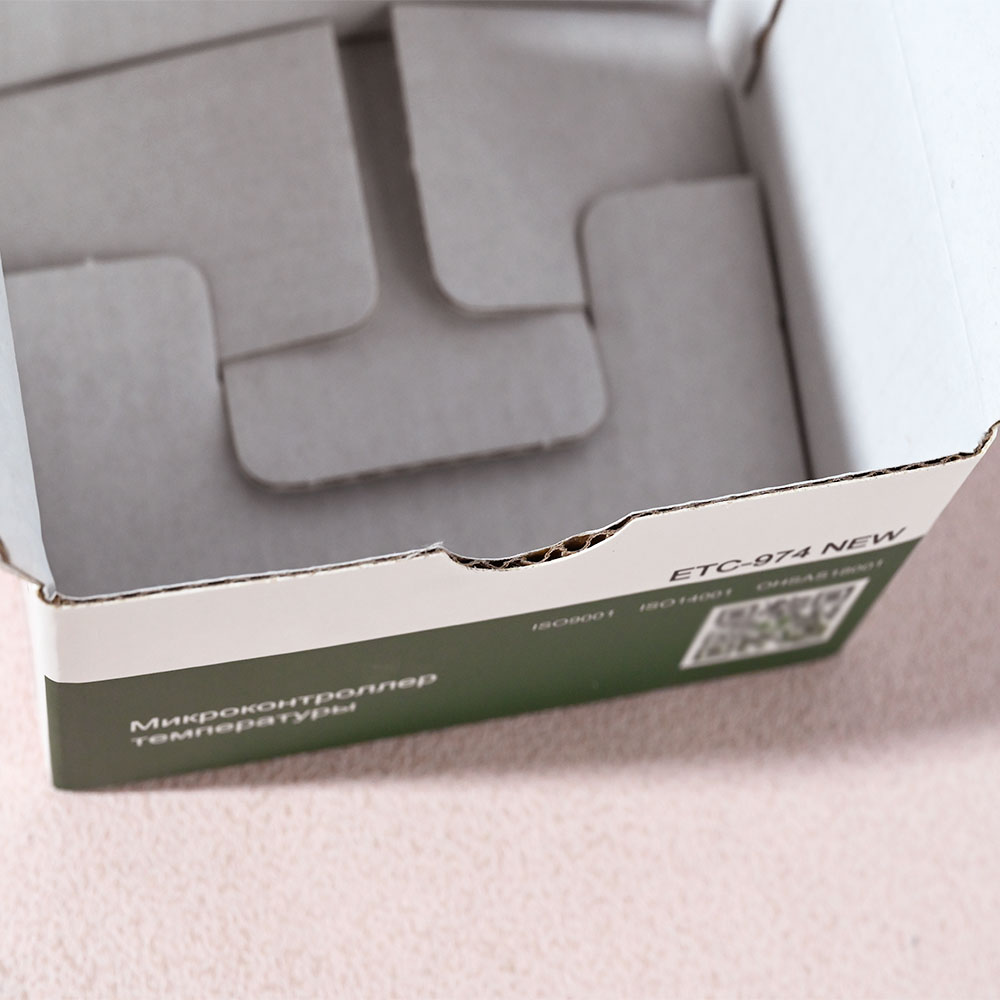
Manual packing remains common in many industries, particularly when products come in different shapes, require careful handling, or are produced in relatively small batches. In these situations, packaging needs to do more than protect the product and present the brand. It must also be easy for workers to open, fold, fill, and close without unnecessary effort. A carton that looks attractive on a design screen may still create problems if its structure is difficult to handle during everyday packing. One of the most important factors is the carton’s opening design. Workers should be able to identify where the carton opens and how its panels move without repeatedly checking instructions. If the opening is too narrow or the flaps overlap awkwardly, inserting the product can take longer than expected. A well-planned opening gives workers enough space to handle the product comfortably while keeping the package secure after closure.
The folding structure also has a direct effect on packing efficiency. Cartons with clearly defined crease lines and a logical folding sequence are generally easier to assemble. When workers need to force panels into position or repeatedly correct misaligned flaps, packing becomes slower and less consistent. Packaging manufacturers therefore need to consider how each panel folds in relation to the others, rather than focusing only on the carton’s final appearance. Material stiffness is another consideration. Paperboard must be firm enough to maintain its shape, but excessive stiffness can make a carton difficult to fold or close by hand. If the material is too flexible, the carton may collapse during filling or fail to provide adequate support for the product. The appropriate paperboard grade depends on the product’s weight, dimensions, protection requirements, and the way the carton will be handled during packing.
Carton dimensions should also allow enough working space. A package designed too tightly around a product may require workers to position it precisely before it can be inserted. This can become frustrating when many units must be packed in a short period. On the other hand, excessive internal space may allow the product to move around or require additional inserts. A suitable design balances a secure fit with enough clearance for practical handling. Closure design is particularly important when cartons are assembled and sealed manually. Tuck-end cartons, locking tabs, and adhesive closures each have different handling requirements. A tuck flap should enter its slot or fold into place without excessive pressure, while locking tabs need to engage reliably. If adhesive is required, the glue area should be accessible and large enough for consistent application. Small structural details can make a noticeable difference when repeated across hundreds or thousands of packages.
The position of glue flaps and overlapping panels can also influence the worker’s movements. Poorly positioned flaps may obstruct product insertion or make it difficult to press the carton into its final shape. Similarly, a design that requires several panels to be held simultaneously can slow down assembly. By reviewing the carton’s folding sequence during development, manufacturers can reduce unnecessary hand movements and make the packing process more straightforward. Printing and finishing should support handling rather than interfere with it. Heavy coatings or certain surface finishes can change the way paperboard panels slide against one another during folding. In some cases, printed surfaces may also show scratches or scuff marks when cartons rub together during assembly. Selecting suitable printing and finishing processes helps maintain the carton’s appearance while ensuring that workers can handle it without creating avoidable defects.
Consistency between cartons is equally important. If dimensions, crease positions, or cutting accuracy vary from one piece to another, workers may need to adjust their movements repeatedly. Some cartons may fold easily, while others resist closure or fail to align correctly. Reliable die-cutting, controlled material selection, and regular quality inspections help keep the packing process predictable and reduce the number of cartons that need to be corrected or rejected. Before approving a carton for regular manual packing, it is useful to conduct a practical assembly test. Workers can assemble several samples, insert the actual product, close the package, and repeat the process under realistic conditions. This test often reveals problems that are not obvious in a flat sample, such as awkward flap movement, insufficient finger clearance, or difficulty removing the finished carton from a stack. Feedback from the people who will handle the packaging can be particularly valuable.
The packing environment should also be considered during carton development. A carton used at a spacious packing table may behave differently in a crowded workstation where workers have limited room to move. The required packing speed, lighting, available tools, and product handling procedures can all influence which structure is most practical. Packaging manufacturers benefit from understanding these conditions before finalizing the design, especially when the carton will be used repeatedly throughout a production shift. For brands and packaging buyers, choosing a carton suitable for manual packing means looking beyond material cost and visual presentation. Opening access, folding accuracy, paperboard stiffness, closure reliability, and consistent dimensions all contribute to daily efficiency. A carton that is easy to assemble can reduce handling difficulties, support a more stable packing rhythm, and help maintain a professional finished appearance.
At Wuxi Box Printing Technology Co., Ltd., carton development involves considering both the finished package and the practical requirements of production and use. By evaluating structural design, material characteristics, printing quality, and assembly performance together, packaging manufacturers can help customers select cartons that work well in real packing environments. The result is packaging that not only presents a product effectively but also makes the process of preparing it for shipment or retail display more manageable.