

Why Carton Flaps Sometimes Fail to Stay in Position
Carton flaps may look like simple parts of a packaging structure, but they play an important role in keeping products securely enclosed. When a flap springs open, lifts away from the panel, or refuses to remain tucked in, it can create problems during filling, storage, and transportation. Workers may need to close the carton repeatedly, slowing down packing operations. Understanding why flaps fail to stay in position helps packaging manufacturers identify the cause and improve the carton’s overall performance. One common cause is an unsuitable crease design. Folding cartons rely on creased lines to guide paperboard into the intended shape. If a crease is too shallow, the flap may resist bending and return toward its original flat position. This can be particularly noticeable with stiff paperboard or cartons that have several folds close together. A properly designed crease helps the flap fold cleanly and remain where it is intended to sit.
Excessive creasing pressure can also create difficulties. Although a clear fold line is necessary, too much pressure may damage the paperboard fibers or weaken the folding area. The flap may then lose some of its structural stability, especially after repeated handling. Finding the right balance between crease depth and material strength is important for achieving a reliable fold without compromising the carton. Paperboard stiffness is another factor. A board selected primarily for strength or a premium feel may be more resistant to folding than a lighter grade. If the carton structure has not been designed around that stiffness, the flaps may push back against the surrounding panels. Material selection should therefore consider not only the carton’s protective requirements but also how easily its components need to fold and close during actual use.
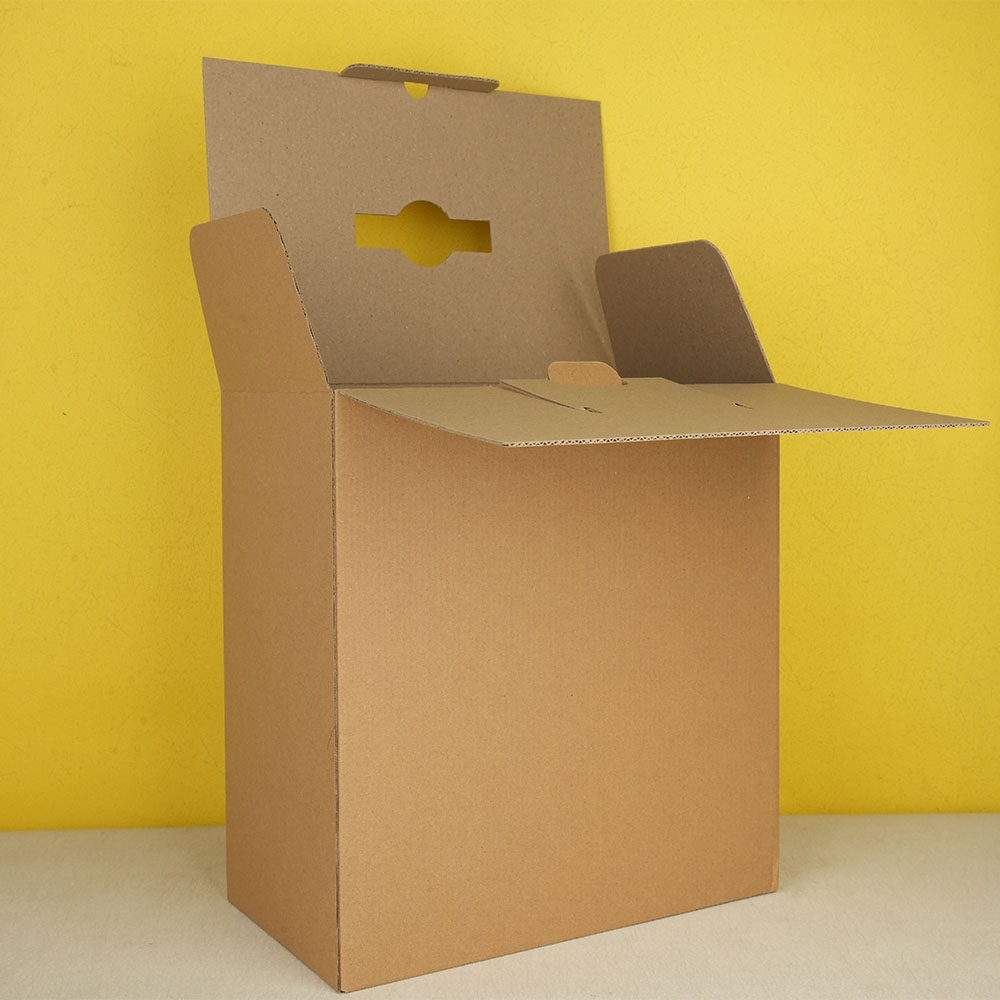
The dimensions of the flap can make a noticeable difference as well. A flap that is too short may not reach far enough into its intended position, while one that is too long may overlap with other panels or create excessive pressure at the closure. Both situations can prevent the carton from closing neatly. Accurate structural design helps ensure that each flap has enough clearance to move without becoming loose or obstructed. The shape of the locking feature also matters. Some cartons use tuck-in flaps, while others rely on locking tabs or slots to hold the closure in place. If the tab is too small, it may slip out easily. If the slot is too tight, the worker may struggle to engage it without bending or damaging the board. The locking geometry needs to suit the material thickness and the expected handling conditions so that the closure remains secure without requiring excessive force.
Cutting and creasing accuracy can affect flap behavior even when the original design is correct. If the die-cutting process produces inconsistent dimensions or crease positions, different cartons may close differently. One flap may fit properly while another may sit unevenly or spring open. Regular checks of the cutting die, machine setup, and finished dimensions help reduce these variations during large production runs. Environmental conditions can also influence paperboard performance. Paperboard absorbs and releases moisture from the surrounding air, which can affect its flexibility and dimensions. In very dry conditions, some boards may become more prone to cracking along folds. Under humid conditions, the material may soften or change shape. Storing paperboard appropriately and allowing materials to adapt to the production environment can help maintain more consistent folding behavior.
Printing and surface finishing should not be ignored. Certain coatings or heavy ink coverage may change how a panel bends, particularly when the printed surface lies along a crease. If the coating is too rigid for the folding structure, cracking or increased resistance may occur. Choosing suitable finishing methods and testing samples before mass production can help prevent surface damage and closure problems from appearing together. Sometimes the problem comes from the way the carton is assembled rather than from the packaging itself. If workers fold panels in the wrong sequence, a flap may become trapped beneath another panel or fail to engage its locking feature. Clear folding instructions and a practical assembly test can help identify these issues. When cartons are packed manually, a design that is easy to understand and assemble can reduce inconsistent closure across the production team.
The product inside the carton may also push against the flaps. If the product or an internal insert occupies more space than expected, the resulting pressure can lift the closure or prevent the flap from reaching its intended position. This can happen when product dimensions vary, inserts are incorrectly fitted, or the carton has insufficient clearance. Testing the carton with the actual product is therefore more reliable than assessing the empty package alone. To identify the source of a flap problem, packaging manufacturers should examine the crease lines, flap dimensions, locking structure, paperboard grade, and assembly sequence together. Checking only one element may overlook the real cause. A useful trial involves assembling several cartons, filling them as intended, and observing whether the flaps remain closed during normal handling. Any adjustments should then be tested again before full production begins.
For packaging buyers, reliable flap closure is a small detail with practical consequences. It helps cartons maintain a neat appearance, supports efficient packing, and reduces the risk of products becoming exposed during handling. At Wuxi Box Printing Technology Co., Ltd., attention to carton structure, material selection, die-cutting accuracy, and finishing quality helps support dependable folding carton production. By addressing flap performance during the design and testing stages, manufacturers can deliver packaging that closes more consistently and works better throughout the product’s journey.