

What Makes a Packaging Sample Representative of Mass Production?
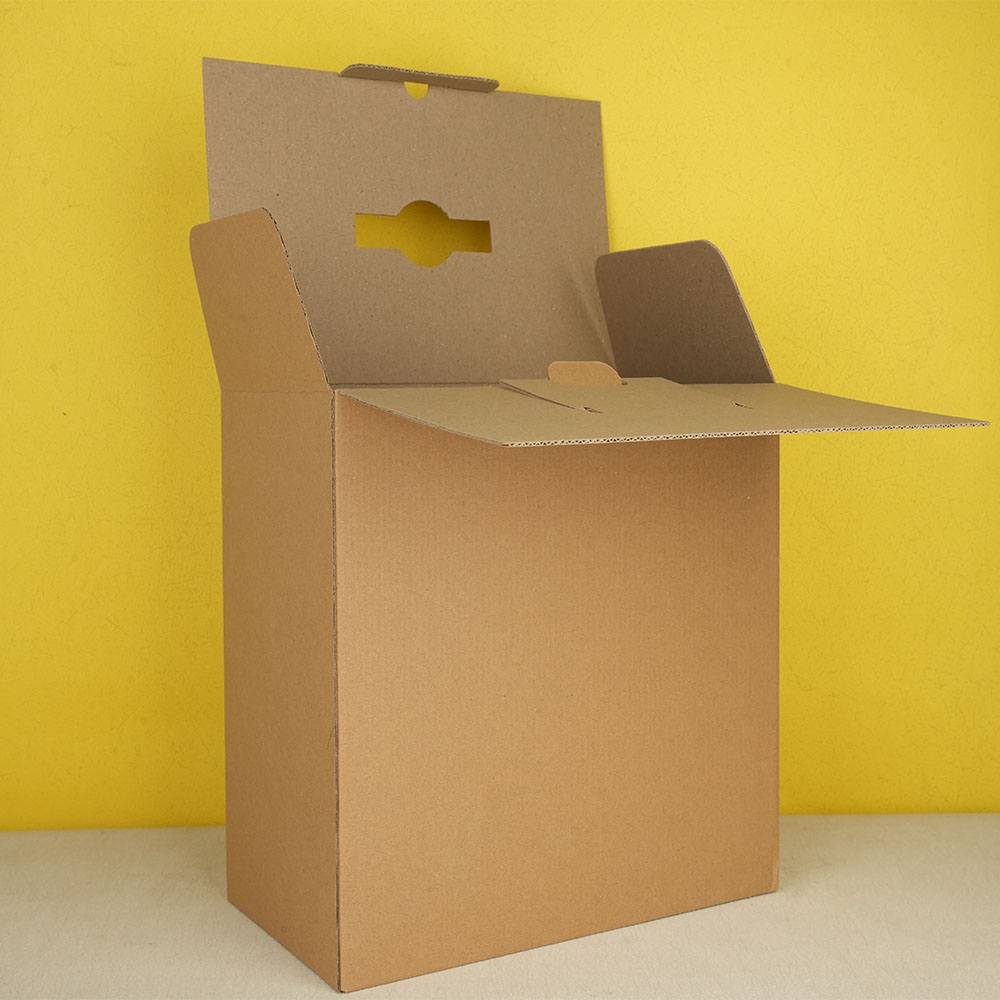
A packaging sample is often the first physical version of a new carton that a brand owner can examine. It allows the team to check dimensions, appearance, structure, and product fit before approving a large production order. However, not every sample is necessarily representative of what will come off a mass-production line. A sample can look excellent and still fail to reveal problems that appear when hundreds of thousands of cartons are printed, die-cut, folded, and glued. Understanding what makes a sample representative is therefore important when evaluating a packaging supplier. The material used for the sample is one of the first things to check. If the prototype uses a different paperboard grade, thickness, coating, or surface treatment from the material planned for production, its folding and structural performance may not accurately reflect the final carton. For meaningful evaluation, the sample should use the same or sufficiently equivalent material wherever practical.
The printing process also matters. A digitally printed prototype may be useful for checking artwork and general appearance, but it may not perfectly represent the color, texture, or finishing characteristics of a carton produced through offset or another production printing process. When color accuracy is important, a production-representative proof or sample should be evaluated under appropriate conditions. Structural accuracy is equally important. The sample should be produced from the actual or final-approved dieline rather than a simplified concept. Panel dimensions, score positions, cut lines, locking tabs, and folding sequences all influence the finished carton. A minor difference in any of these areas can affect assembly or product fit during mass production.
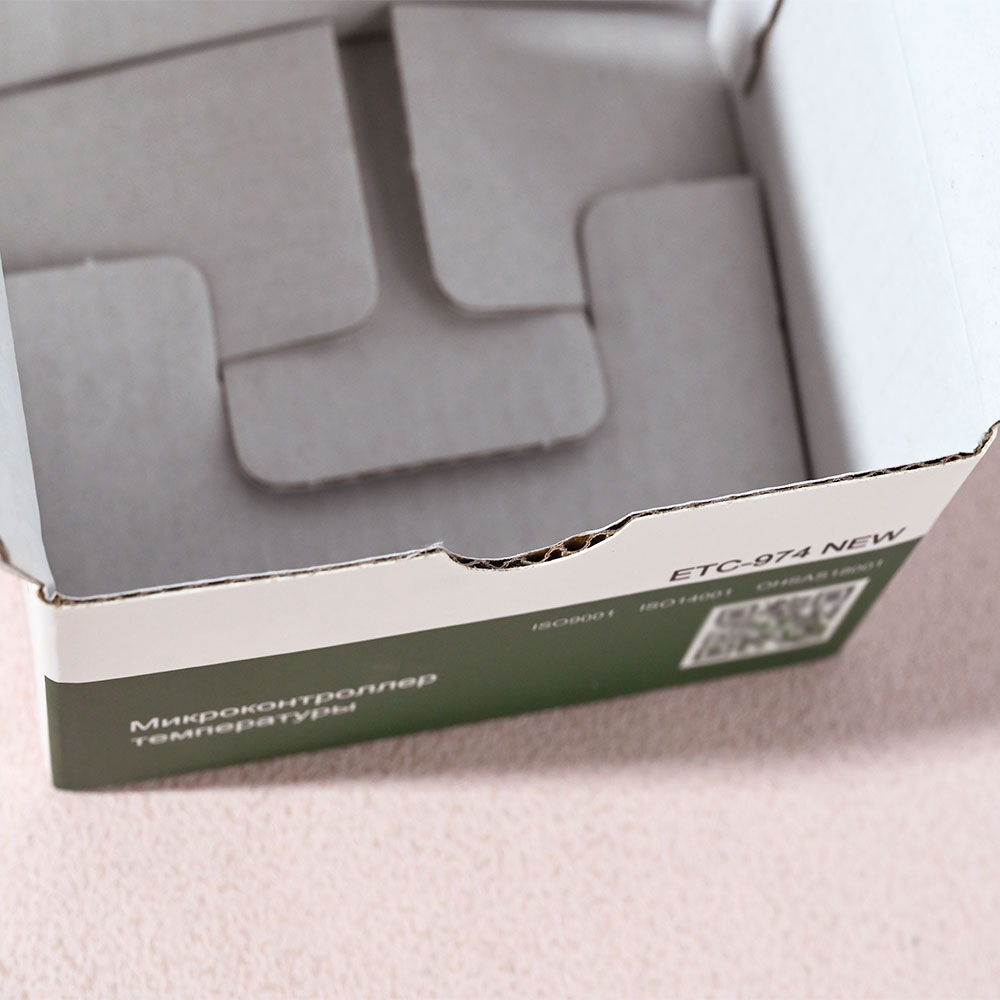
Scoring and folding behavior should also be evaluated. A prototype should demonstrate how the selected board will behave when converted into the finished package. Check whether panels fold cleanly, whether corners align, and whether the carton maintains its intended shape. If the production version will run through automated folding and gluing equipment, testing the structure under similar conditions provides even more useful information. Product fit is another essential part of sample approval. The actual product, or a dimensionally accurate equivalent, should be placed inside the carton whenever possible. This allows the team to identify excessive movement, tight areas, interference with inserts, or difficulties during product loading. A carton that looks correct when empty may perform differently once filled.
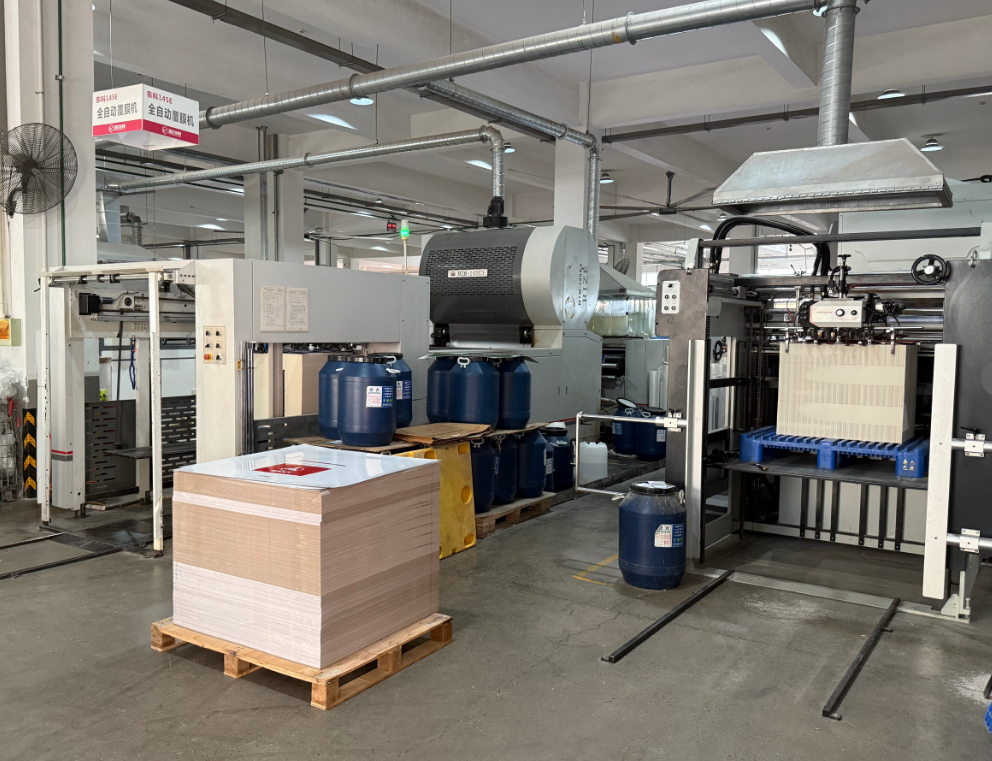
The finishing process should also be representative when it affects the package. Coatings, laminations, embossing, foil stamping, windows, and other treatments can change the carton surface and folding characteristics. Evaluating a plain prototype may not reveal cracking, delamination, or alignment issues that could occur after finishing. A representative sample should also be assessed for production tolerances. Mass production naturally involves small variations in cutting, scoring, printing, and folding. A single perfect prototype does not demonstrate how the design performs within normal manufacturing tolerances. Packaging suppliers should therefore have defined quality specifications and inspection procedures for production runs.
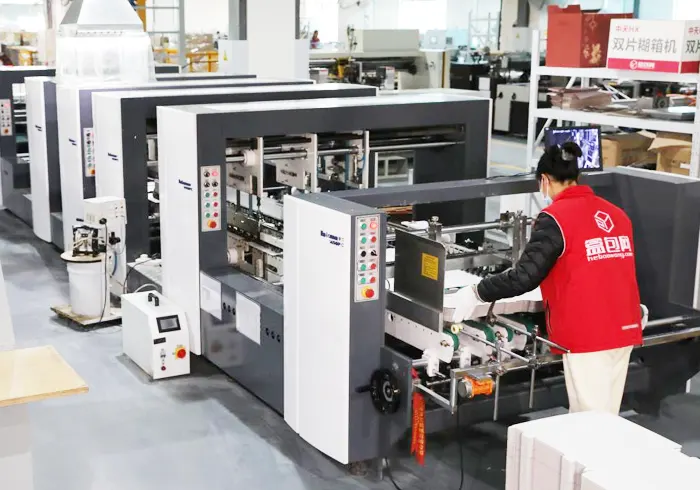
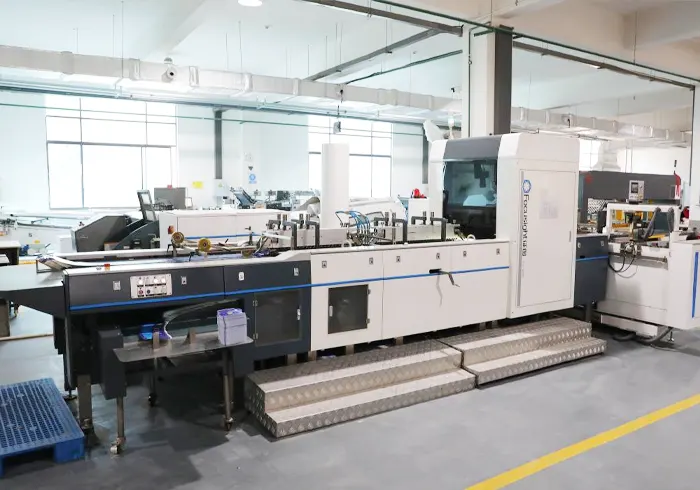
Quantity can provide another useful perspective. Producing several samples rather than relying on one allows brands to compare units and identify potential inconsistencies. If samples made under similar conditions show noticeable differences in dimensions, folding, or print quality, further investigation may be necessary before approving mass production. The production environment itself can influence how representative a sample is. Samples made entirely by hand may demonstrate the basic concept but cannot always predict how the carton will behave on high-speed equipment. For complex or high-volume projects, it is valuable to conduct a production trial using the intended machinery and processes.
Documentation is another often-overlooked factor. The approved sample should be linked to clear specifications covering material, dimensions, artwork, colors, finishing, structure, and tolerances. This gives the manufacturer and brand owner a common reference during mass production and helps prevent misunderstandings when orders are repeated. Ultimately, a representative packaging sample is more than a visually attractive prototype. It should reflect the materials, structure, printing, finishing, dimensions, and manufacturing processes that will be used for the actual production order. The closer the sample is to real manufacturing conditions, the more useful it becomes for identifying problems before they become expensive. For brands, careful sample evaluation can prevent many production surprises. For packaging manufacturers, producing representative samples demonstrates technical competence and gives customers greater confidence before committing to a large order. A well-prepared sample is therefore not simply an approval piece—it is an important bridge between packaging design and reliable mass production.